
She/Her/Hers
Lesbian
|
|
EMILY PRATT SLATIN | About | Press Kit | Notebook | Music Playlist | She/Her/Hers Lesbian |
Retired Career Fire and EMS Lieutenant-Specialist, Writer, and Master Photographer, living in Vermont.
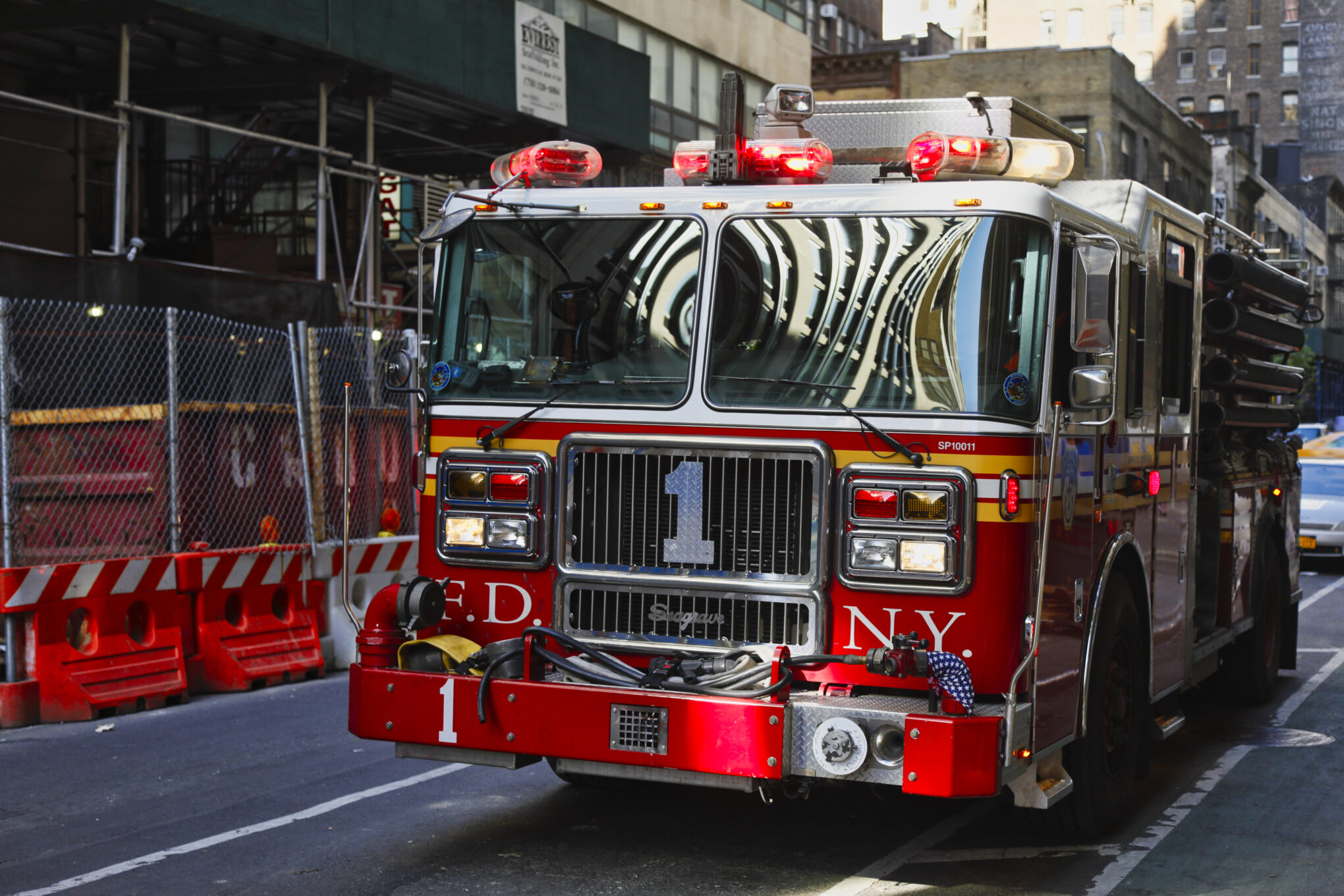
November 3, 2025—Stamford, New York (Childhood Home)
Yesterday, I went to the cemetery. No ceremony, no flowers—just me, a handful of leaves clinging to my boots, and the sound of November trying to hold itself together. It was Mom's wish that I write her obituary, then have her ashes buried alongside my father's. I drove out to Lakewood Cemetery outside Cooperstown, parked under a sugar maple that had already given up most of its color, sat for a long minute with the engine ticking down, and tried to figure out what I was doing there.
It wasn't grief that brought me—it was the necessity of coming through on the last promise I made to Mom before she passed away. Both of them are gone now. My father went first, quietly, as if he didn't want to wake the world. My mother took longer to fade—she talked about her impending passing for over a decade, long enough for her to believe that she had more time, right up until the very end. Death finally found her too, as it eventually does with everyone who thinks they can outstare it.
I stood there with my hands in the front pockets of my brown Carhartt, looking down at the ground that now held both of them, each in their own labeled black plastic boxes, and I realized I didn't owe them anything anymore. Not forgiveness, not anger, not even remembrance in the way they might have wanted. What I owed—to myself—was distance. Freedom. To live without the echo of their voices shaping my decisions.
For the first time, I said goodbye and actually meant it. Not the polite kind of goodbye people say at funerals, but the kind you whisper to the wind from a distant storm over Lake Otsego. I didn't cry. I didn't need to. The air off the lake in November was cold enough to do it for me. When I finally turned to leave, the sun had dropped behind the ridge, spilling this faint orange light across the stones. I walked back to my Bronco, started the engine, and sat there watching my breath fog the windshield. And for the first time in a long time, it felt like mine—the breath, the silence, the moment.
I decided to take the long way home. It wasn't planned—it just sort of happened. One turn became another, and before I knew it, I was tracing roads I hadn't driven in years. Somewhere outside Richmondville, I realized where I was headed. By chance—or maybe not—I'd steered toward Angie's house. The same house I bought when we were still together, before everything between us cracked under the pressure of time, and pride, and the unspoken realities of biology.
Mom had made one final request before she passed: to let Angie know. It was an odd thing to ask, considering how the two of them could never stand each other. They fought like they were born to it—trivial arguments, old grudges, and an underlying stubbornness that bordered on art. I think, deep down, Mom wanted to make peace with the one person she never could, even if it had to happen through me, after her passing.
I pulled into the driveway outside my old house just as the daylight started to collapse behind the hills. It looked mostly the same—still that pale white aluminum siding, still the porch light burning even in daylight, the one with the inconveniently placed switch we never bothered to turn off. I sat there for a minute, my hand resting on the shifter, wondering if it would feel like trespassing to knock. I thought that maybe I'd use Mom's passing as a cover story—but that's ridiculous, I thought. I built up the courage and got out anyway, walking with hurried authority, like a one-woman army on a mission no one else could see.
When she opened the door, there was that moment—half recognition, half disbelief. We hadn't spoken in years, not properly. We'd spoken to mutual friends, but never each other, like two ships sailing separate waters. But something in her face softened when I told her why I was there. No dramatics, no tears. Just a quiet exhale, like something heavy had finally been acknowledged. She stepped aside and invited me in.
We ended up talking for hours, then driving to Cobleskill for dinner—one of those unplanned, suspended evenings where time folds in on itself. It wasn't romantic; it wasn't even nostalgic. It was just… easy like old times. Conversation filled the empty spaces without either of us trying to fix anything. We talked about Mom, about the past, about how strange it feels to outlive the versions of ourselves that used to be certain of everything. Somewhere between the diner coffee and the check, I realized we weren't enemies anymore. Mom's death, in its strange, backhanded way, gave me something unexpected—a reconciliation I didn't know I still wanted.
I took Angie home, made sure she made it inside safely, before backing out of the driveway and disappearing into the darkest stretch of upstate New York night. The kind of black where even the high beams feel useless, swallowed by trees and fog and memory.
On the way back to Mom's, I stopped at Walmart in Cobleskill. It was close to midnight—the hour where the aisles go quiet and everything hums in that low electric way that makes you feel both alive and unseen. I went straight for bedding, no wandering, no distractions. I bought a pile of pillows for the bed here at Mom's house. The same bed, same room, same wall it's always been against since I was a kid.
I don't surround myself with pillows for comfort. It's for safety. That's an autistic thing—building a soft perimeter, creating a buffer between me and the world so I can finally rest. When I was younger, Penfold used to sleep beside me and push me up against the wall. I think he knew that's what helped me fall asleep—the weight of him pressed close, the wall at my back, the sense that nothing could sneak in from the dark side of the room. He must've known. Dogs always do.
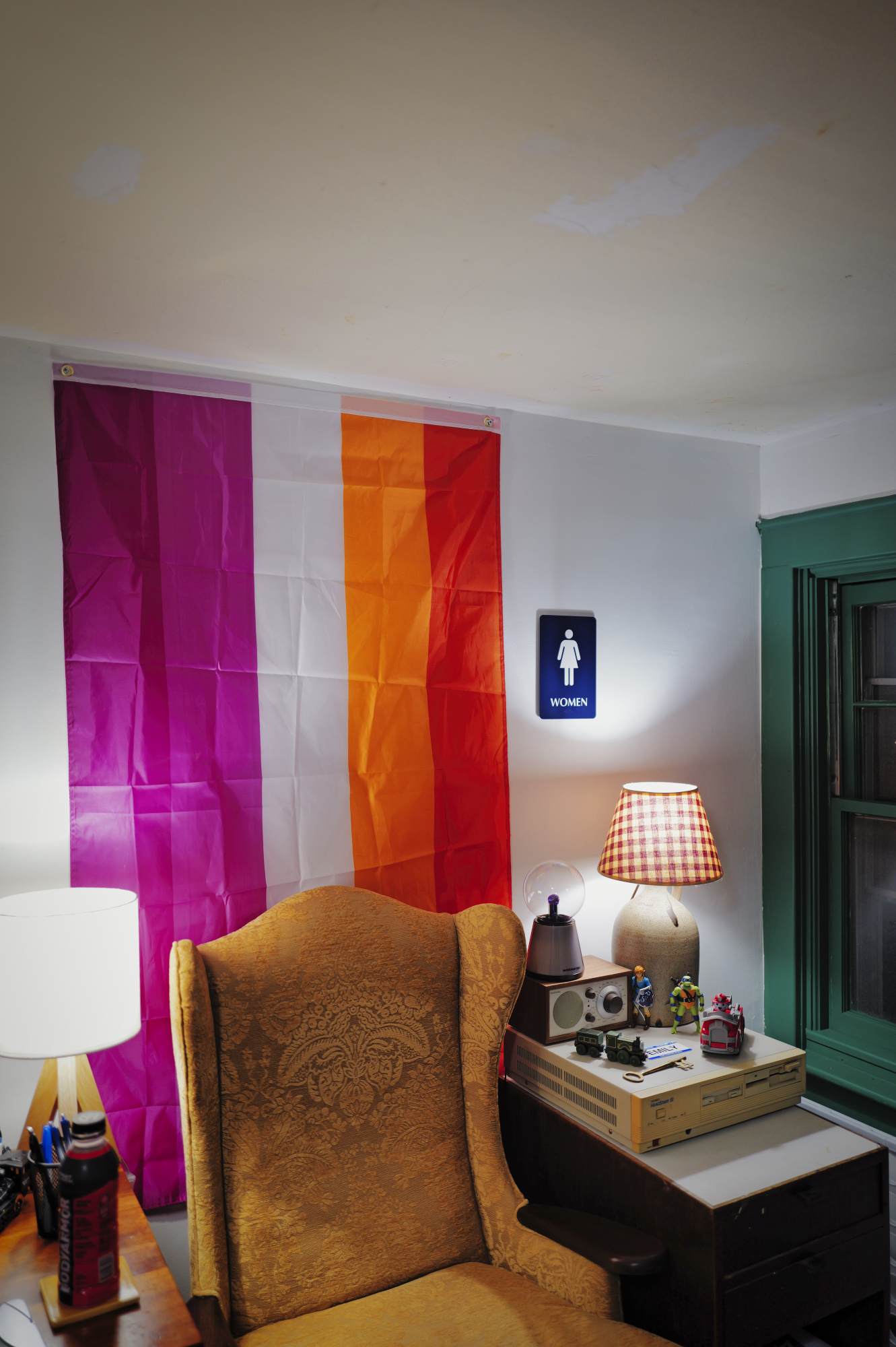
As for Mom's house—I've decided to keep it. There comes a time in every girl's life when she holds onto something, despite the pain it carries. Maybe it's not about sentiment, or even forgiveness. Maybe it's about claiming what's left, and finally making it yours. I'm starting with my bedroom—taking it back to how it was before my father kicked me out in 1996, then adding small reminders of everything that came after, until it feels like I never left at all.
|
Copyright © 1998-2026 Emily Pratt Slatin. All Rights Reserved. About | Archives | Biography | EMD Codes | Notebook | Press Kit | Pronouns.page | RSS Feed | Sitemap | YouTube Made with grit in Middletown Springs, Vermont. |