
She/Her/Hers
Lesbian
|
|
EMILY PRATT SLATIN | About | Press Kit | Notebook | Music Playlist | She/Her/Hers Lesbian |
Retired Career Fire and EMS Lieutenant-Specialist, Writer, and Master Photographer, living in Vermont.

April 2, 2026—Stamford, New York (Mom's House)
Human beings are strange creatures. We spend years trying to understand one another, and then entire lifetimes trying to be understood ourselves. We confuse proximity with connection. If someone is present—physically, socially, consistently—we default to alignment. True connection requires shared and consistent understanding, not just shared proximity over time. I had such a relationship with my mom.
There's a point where you realize that being misunderstood is not always a problem to solve. Sometimes it's simply a condition of operating at a level of complexity that not everyone shares. There is a difference between being alone and being unaccompanied. Alone carries weight—it implies absence, lack, something missing. Unaccompanied is neutral—it just means you're moving through something without someone next to you. That shift in language changes the experience more than most people expect. It removes the idea that something is wrong simply because it's solitary.
Amelia and I spent a few nights at moms house along with Angie. Each of us now have our own rooms—mine is my childhood bedroom, Angie has claimed the room adjacent to mine, and Amelia has chosen the smallest guest bedroom adjacent to where my parents slept. The purpose of the trip was to tie up the remaining loose ends of moms estate and to start cleaning up the mess that mom and her unchecked hoarding left behind.
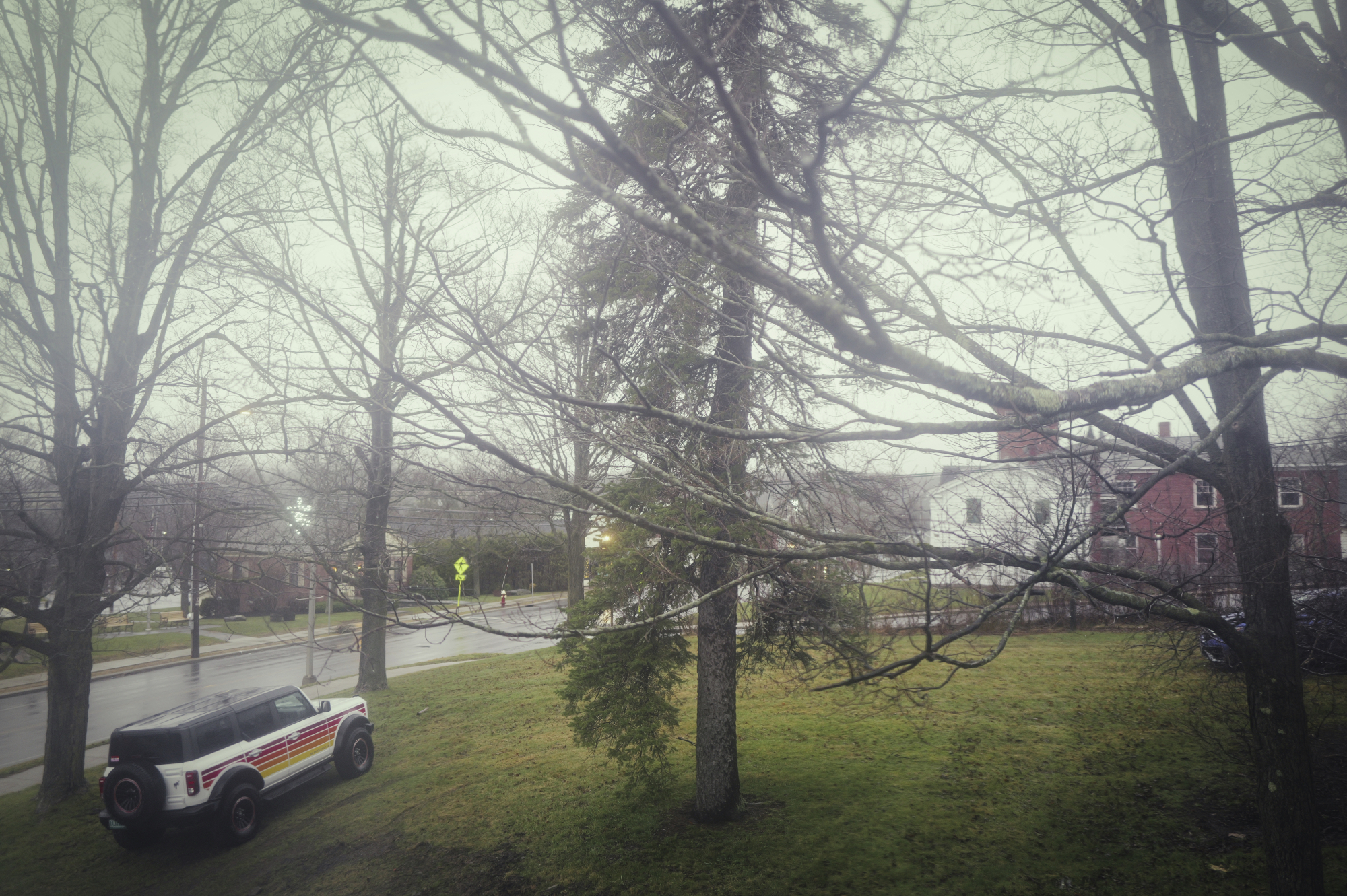
I stood in the back yard and cried—I had apparently made the mistake of remembering being small and playing with my friends in the back yard. Things were simpler then—life had a slower pace and people knew each other for who they really were, not the summarized narratives of categorization for modern convince. I miss the little details.
I have noticed that most people are far more comfortable with the idea of depth than with its reality. They will say they want honesty, complexity, nuance—but when those things actually appear, unfiltered and intact, there is a hesitation, a subtle retreat. Depth requires participation. It requires the willingness to sit with something that does not resolve quickly, to engage without immediate reward. And many people, even very intelligent ones, are not prepared for that kind of sustained attention.
When mom died, bank managers came and wrote things down on paper, contractors told me I need to overhaul mom's house, my doctor spoke of circadian rhythms. I felt relieved when they all went away.
Some things in life appear misaligned only because they are being measured against the wrong standard. Not everything that deviates is damaged. If something continues to function across time, across pressure, across change, then it is already sound. The error is not in the system—it is in the expectations placed upon it.
There were many things I wanted to change, though not in the ways they were proposing. If anything, I would have given anything to change things back to the way they were before the years turned over. Nostalgia is less about the past itself and more about how you felt within it. You don't miss the exact circumstances—you miss the version of yourself that existed inside them.
|
Copyright © 1998-2026 Emily Pratt Slatin. All Rights Reserved. About | Archives | Biography | EMD Codes | Notebook | Press Kit | Pronouns.page | RSS Feed | Sitemap | YouTube Made with grit in Middletown Springs, Vermont. |