
She/Her/Hers
Lesbian
|
|
EMILY PRATT SLATIN | About | Press Kit | Notebook | Music Playlist | She/Her/Hers Lesbian |
Retired Career Fire and EMS Lieutenant-Specialist, Writer, and Master Photographer, living in Vermont.
March 11, 2026—Middletown Springs, Vermont (Home)
 |
 |
 |
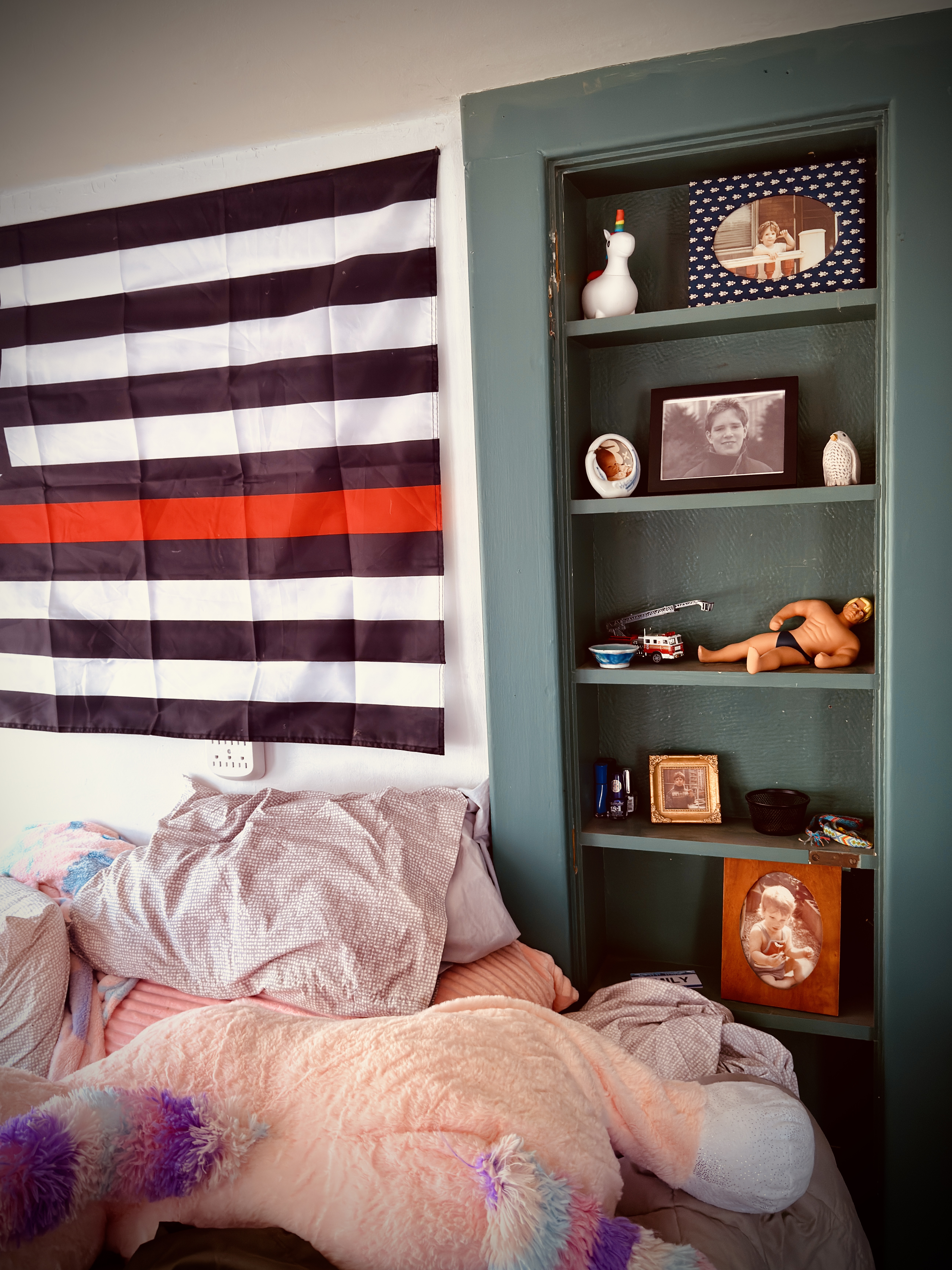
Amelia and I spent a few days at Mom's house. Just writing that sentence still feels strange, like saying the name of a place that exists both in the present and somewhere behind a pane of glass.
There are so many things on my mind this evening. It is one of those nights where the thoughts stack up quietly, one behind the other. I suspect grief works this way. It does not arrive as a single moment. It arrives in waves that appear weeks, months, sometimes years later, when you find yourself standing in a familiar room and realizing the person who made that room what it was will never walk through the doorway again.
I am still coming to terms with the loss of Mom. Mom was not perfect. Nobody is. For all the ways she loved me—or tried to—there was another side to her that was harder to name. She was distant in a way that never quite closed the door, but never really opened it either. Emotionally unavailable is probably the closest phrase for it.
When I needed help—especially in my teenage years—the response was usually the same: figure it out yourself. She had a few lines she returned to so often they almost sounded rehearsed. "Call and explain." "Oh well." "How weird."
They were said with a kind of shrugging detachment that made it clear the problem belonged entirely to me. And more often than not, my parents chose to believe other people over their own daughter. I learned early that if something went wrong, I was expected to stand there alone and sort it out.
Something else shifted while we were there. Angie and Amelia are friends now, which is a sentence I could not have predicted years ago. At some point during one of our conversations, Angie told me something that caught me off guard—not in a cruel way, just in that blunt, clear way the truth sometimes arrives. She told me that when I left her in 2020, I did so abruptly. No warning. No slow fade. Just gone.
And in some ways, she said, it felt like abandonment. I have been thinking about that a lot tonight. Because the uncomfortable part is that she is probably right.
I did leave quickly. I just did what I have done my entire life when something begins to feel like a cage—I ran. That is the way of the Dark Horse. She cannot be contained. The moment the walls start to feel too close, she bolts for the open field without looking back to see who is still standing in the dust behind her.
That instinct has saved me more times than I can count. But it has also cost me in ways that can never be replaced. And Angie did not deserve that.
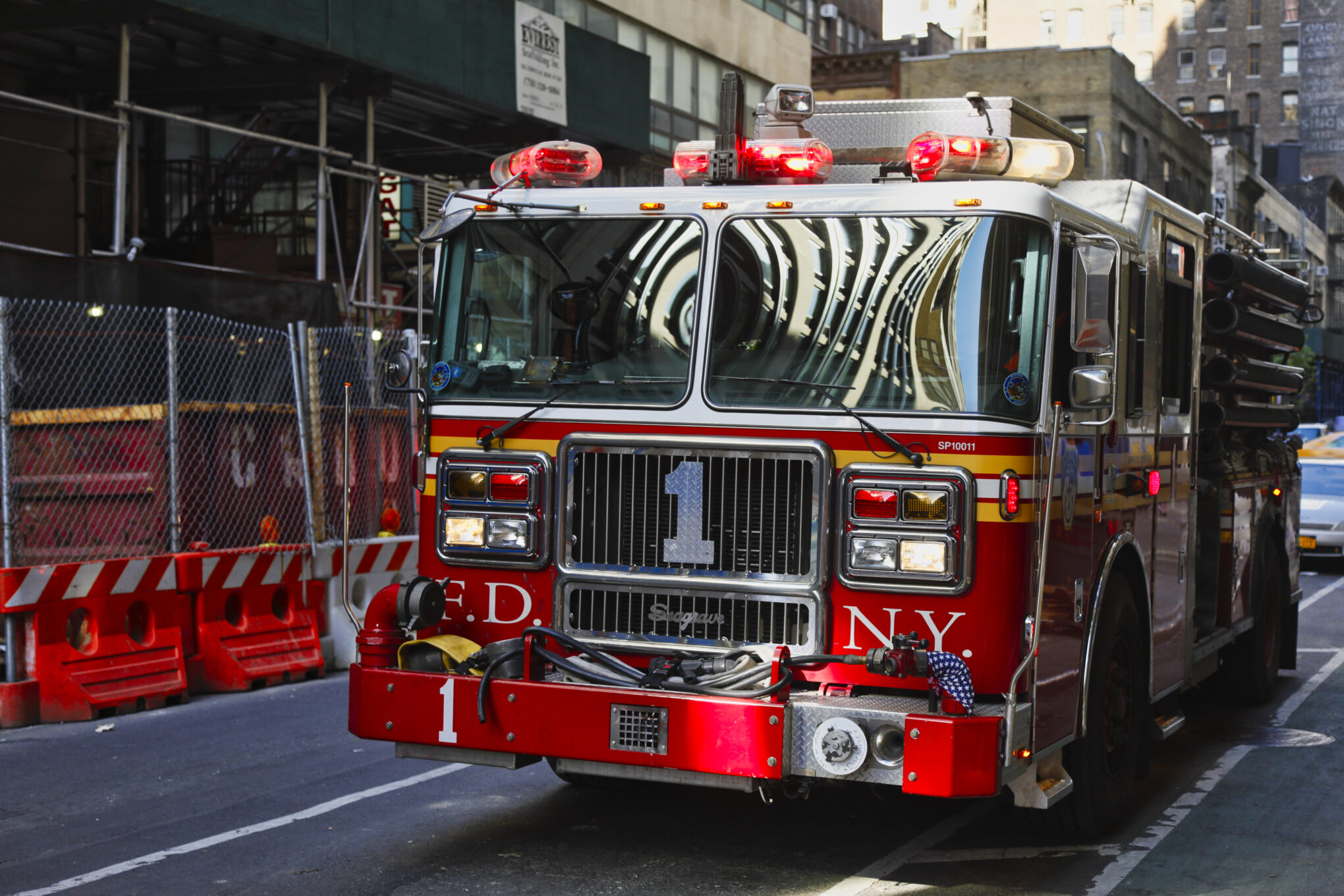
Returning to Mom's house always brings another strange layer of reflection. It is impossible for me to walk through that area without remembering the years when my name started traveling ahead of me. By the time I made lieutenant, people in the region knew who I was. Not in the way celebrities are known—but in the practical, local way someone becomes recognized when they are consistently the person showing up when something goes wrong.
A wreck on the highway. A building fire in the middle of the night. A technical rescue nobody quite knew how to handle. A mayday. People started to associate my name with outcomes.
But I never saw that role the way other people sometimes imagined it. There was never anything glamorous about it to me. No sense of fame, and certainly no sense of popularity. What I felt was pressure. The kind of pressure that sits quietly behind your eyes while you are putting on your gear, the kind that reminds you people are depending on you to get it right the first time. There are no second chances.
Because when you wear that title, the expectation is simple. Get results. That is all anyone really wants from you.
The town remembers the now retired lieutenant. The firefighter. The medic. The person who stepped into chaos and somehow made it function. But moms house remembers the girl.
The one who grew up there, long before the uniform, before the reputation, before anyone in the county knew her name.
People lose direction all the time. Years pass, relationships change, entire chapters of life slip quietly out of memory. We forget the names of towns we once passed through without stopping, the addresses of places we lived for years, even the exact sequence of events that carried us from one life into the next. Memory edits things that way—it focuses on the beginning, and the present, and lets the middle blur.
And somewhere in that blur of the middle, something else happened that I did not fully understand until recently. It took the passing of my parents, and the quiet shunning that followed from the rest of my family, for me to finally feel something I had never quite felt before—freedom. Not the loud kind people talk about when they are young, but a quieter thing that arrived slowly, almost cautiously. For the first time in my life, at forty six years old, I realized I was no longer living inside anyone else's expectations.
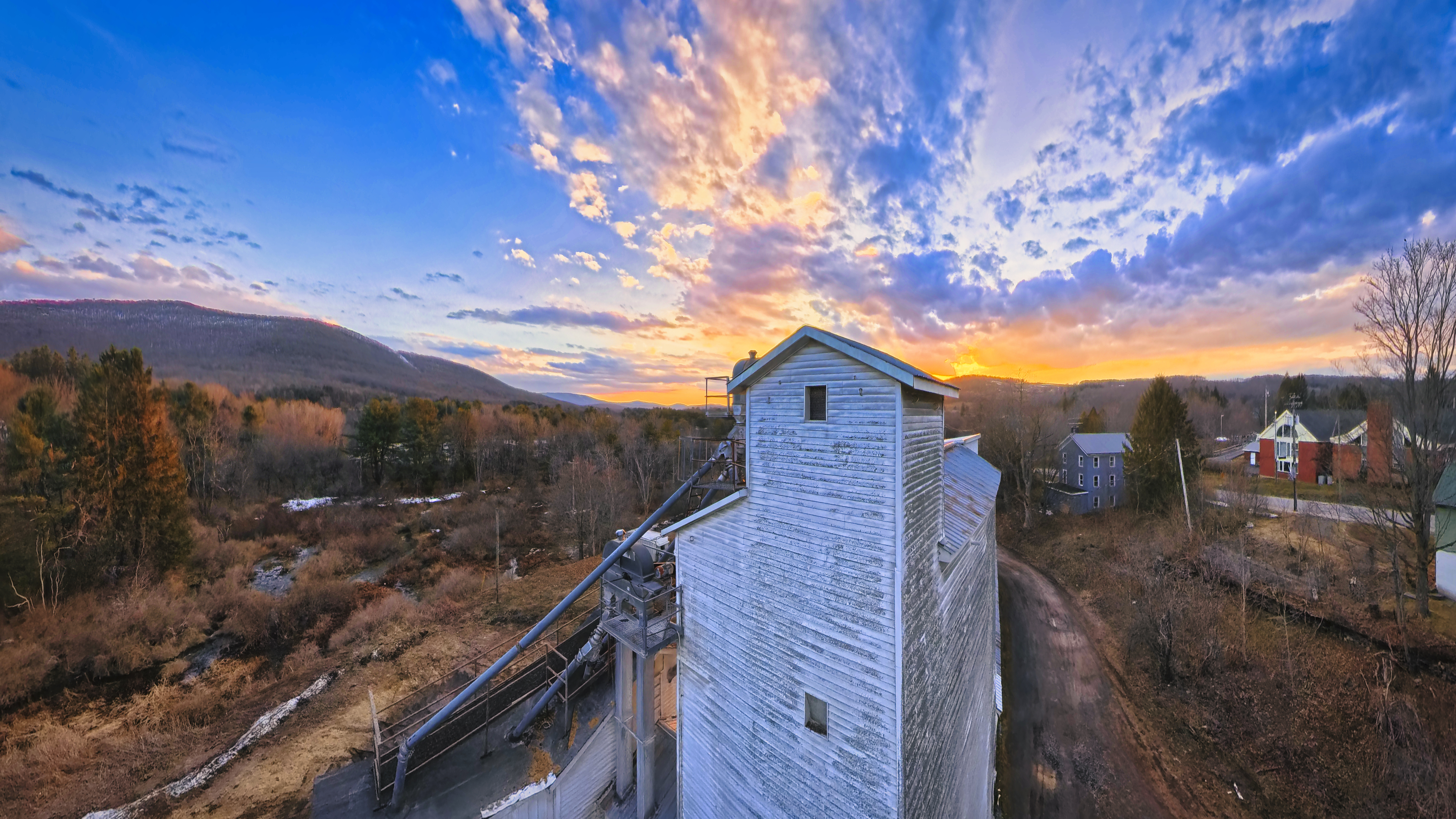
Nobody ever forgets the place where they grew up. That place stays with you in a way that exists deeper than memory. The streets, the air, the way the light looks at the end of a long afternoon—it all settles somewhere permanent inside you. You can leave it for decades, build another life entirely, and still feel it there, quietly waiting to welcome you back.
|
Copyright © 1998-2026 Emily Pratt Slatin. All Rights Reserved. About | Archives | Biography | EMD Codes | Notebook | Press Kit | Pronouns.page | RSS Feed | Sitemap | YouTube Made with grit in Middletown Springs, Vermont. |