
She/Her/Hers
Lesbian
|
|
EMILY PRATT SLATIN | About | Press Kit | Notebook | Music Playlist | She/Her/Hers Lesbian |
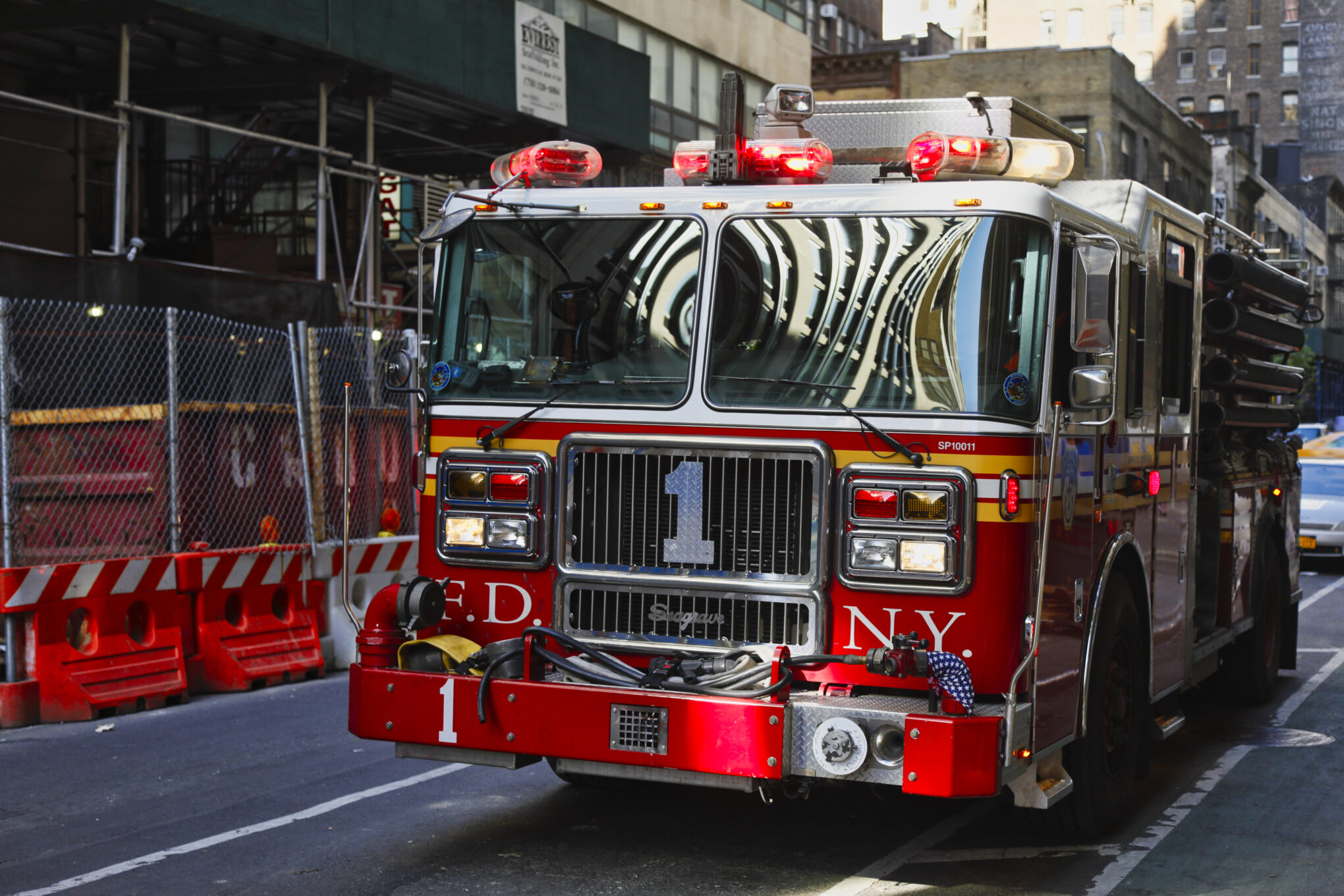
Retired Career Fire and EMS Lieutenant-Specialist, Writer, and Master Photographer, living in Vermont.
February 4, 2026—Stamford, New York (Mom's House)
I have known my entire life that I was homosexual—not as a conclusion I reached, not as a rebellion, not as a phase, but as a baseline fact, as ordinary to me as breathing. There was no moment of discovery, no question waiting patiently for an answer. It simply was. Long before language, long before permission, long before anyone thought to argue with me about it, I knew who I loved. I knew it with the same calm certainty I knew my own name—even when others tried to rename me, redefine me, or insist that certainty itself was a flaw that needed correcting.
My father never wanted me to tell anyone I was queer—not once, not ever. To him it was something to be managed, contained, kept quiet, as if truth were a liability instead of a fact. Silence was his preferred tool, and he wielded it with the same confidence he used for everything else, insisting that discretion was virtue and secrecy was protection, when in reality it was just another way to control the narrative and erase what he did not want acknowledged.
I never understood why other people were so consumed by things that had nothing to do with them—sexual orientation, gender, the private architecture of someone else's interior life. It always struck me as a strange misuse of time and energy, like standing around monitoring a stranger's pulse just to feel involved. Who someone loves, how they move through their own body, what name they answer to when no one is listening—none of it ever felt like public property to me. I have always believed that being concerned with other people's relationships is useless and wasteful, a distraction dressed up as morality, a way to avoid the harder work of minding one's own life.
My father was a controlling and abusive man—a father without a face and without a name, a man of golden words who understood presentation better than truth. He knew how to sound reasonable, how to appear generous, how to construct a version of himself that other people found convincing. What happened behind closed doors never matched the language he used in public. He governed by confusion and fear, by rewriting reality until it bent to his advantage, and by ensuring that the version of events that survived was always the one that protected him.
My father took my childhood and shattered it. He took the reality that I was a lesbian and dismissed it as something temporary, inconvenient, or negotiable. He took my young, instinctive sense of being female in the world and taught me to be ashamed of it, to second-guess it, to keep it small. He took reality itself and bent it until it no longer resembled the truth, hiding what he had done behind legal trusts, nondisclosure agreements, and carefully engineered silence. Nothing about it was accidental. It was deliberate, methodical, and designed to ensure that the damage would never be spoken aloud, only lived with.
I spent two days at my mother's house, and I still have not come to terms with the fact that both of my parents are gone. Every room holds time a little differently, as if it has been waiting for me to notice how much of it slipped past while I was busy surviving. Where did the years go? I want to smile without regret. I want to laugh without judgment.
I told the world I was going to sell the house, said it out loud like a plan, like closure, but something in me refuses to let go. I have always tried to do right by people, even knowing that eventually they may hurt me anyway, and standing in that house I understood how much of my life has been shaped by that instinct.
In the days after my mother died, people began circling the house almost immediately, like gravity had shifted and pulled them in. Letters showed up first, then phone calls, then offers that arrived far too early and far too confidently, as if grief were merely an administrative delay.
Everyone seemed invested in helping me move on, which in practice meant helping me liquidate the remnants of a life that had once lived there. I told them what they wanted to hear. I said I would sell the house in the spring, said it cleanly and out loud, knowing even as the words left my mouth that they were provisional. Sometimes an empty promise is just a way to buy silence.
As time passed, that promise began to feel absurd, like agreeing to sell something irreplaceable while still emotionally standing within it. The truth is, I had long since decided to keep the house for as long as I live—not because it is sacred or sentimental, but because it exists. Because it remains. Because in life, the two things that can never be replaced are time and ones childhood home. Reality crept up my spine and I came to terms with the fact that I was once forced out of a home at sixteen and taught how easily belonging could be revoked. I never ever experienced the family ties that bond. Keeping this one feels corrective, almost mathematical, as if the equation finally balances. If there is spite in it, so be it. Spite can be a form of memory that refuses erasure, a quiet insistence that I am no longer required to disappear for anyone's comfort.
And in this case, I made a promise simply to break it. And yet, breaking that promise did not feel dishonest. It felt correct. It felt like choosing my own needs over politeness, like finally refusing to participate in the fiction that closure is something you owe other people on their timeline. I grew up in a broken home. I am not keeping the house to preserve the past. I am keeping it because I am no longer willing to abandon myself to make things easier for anyone else.
I do not know if I will ever be able to forgive my late father—and some days I am not even certain what forgiveness is supposed to look like—but the house does not ask that of me. I feel almost guilty for hoping that maybe in another lifetime, I will grow up in a supportive household. As for moms house, it simply stands there, holding everything at once—what was taken, what survived, and what I was never allowed to name out loud. Staying feels less like attachment and more like a new beginning.
In the end, I invited Angie stay as a guest at moms house. I gave her her own bedroom, because it felt honest. We were a couple for nearly two decades, and had known each other since childhood, and are not pretending otherwise. Some boundaries are not walls so much as proof that growth actually happened. One of the days we drove into Albany, stopping first at the Chuck Wagon Diner in Duanesburg, the kind of place that still believes in unprompted coffee refills and laminated menus.
We sat at a booth while the older folk complained about the winter. Angie and I spoke quietly over classic American fare, the air between us charged in that familiar, careful way, our lips trembling just slightly as we talked about going back to places we once roamed for nearly two decades. It was not a plan so much as a thought experiment, a way of acknowledging that history still exists even when it no longer governs. Back then we were young, full of rumor and longing, convinced answers were just ahead of us somewhere. Now we know better. We know that sometimes what survives is not the life you imagined, but the friendship that outlasted it—and that this, too, is a kind of arrival.
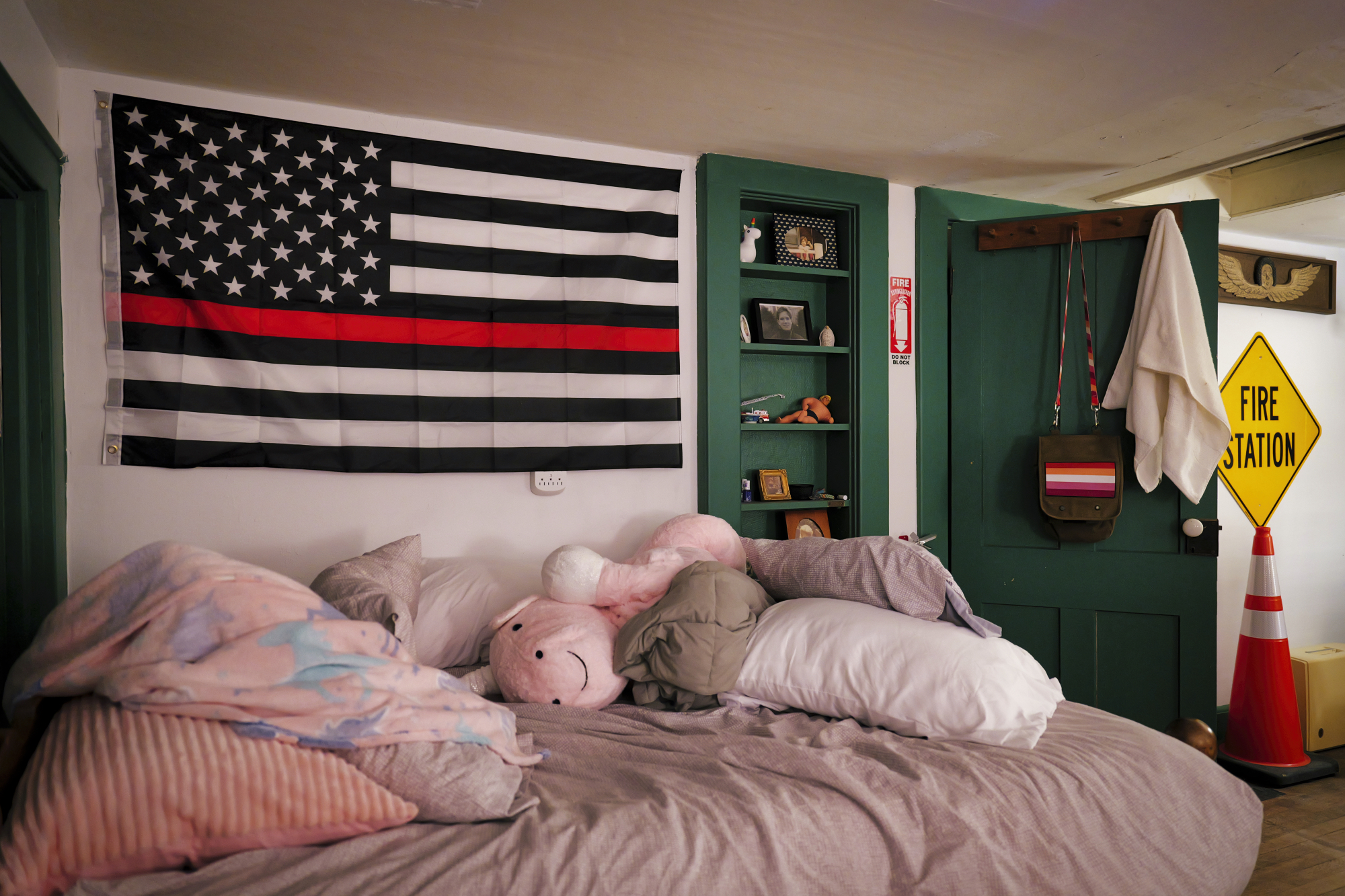
The night stretched longer than I expected it to. We stayed up talking with music playing low in the background, the kind of sound that does not demand attention but fills the empty spaces anyway. I slept in my old bedroom, surrounded by the leftovers of a life that once belonged to a much younger version of me, and at some point before morning I found myself moving through the house on quiet feet. I caught myself tiptoeing down the hallway, almost half expecting my father to storm out of his room to yell at me for being awake too early, for being somewhere I did not belong, for simply existing as a child too loudly.
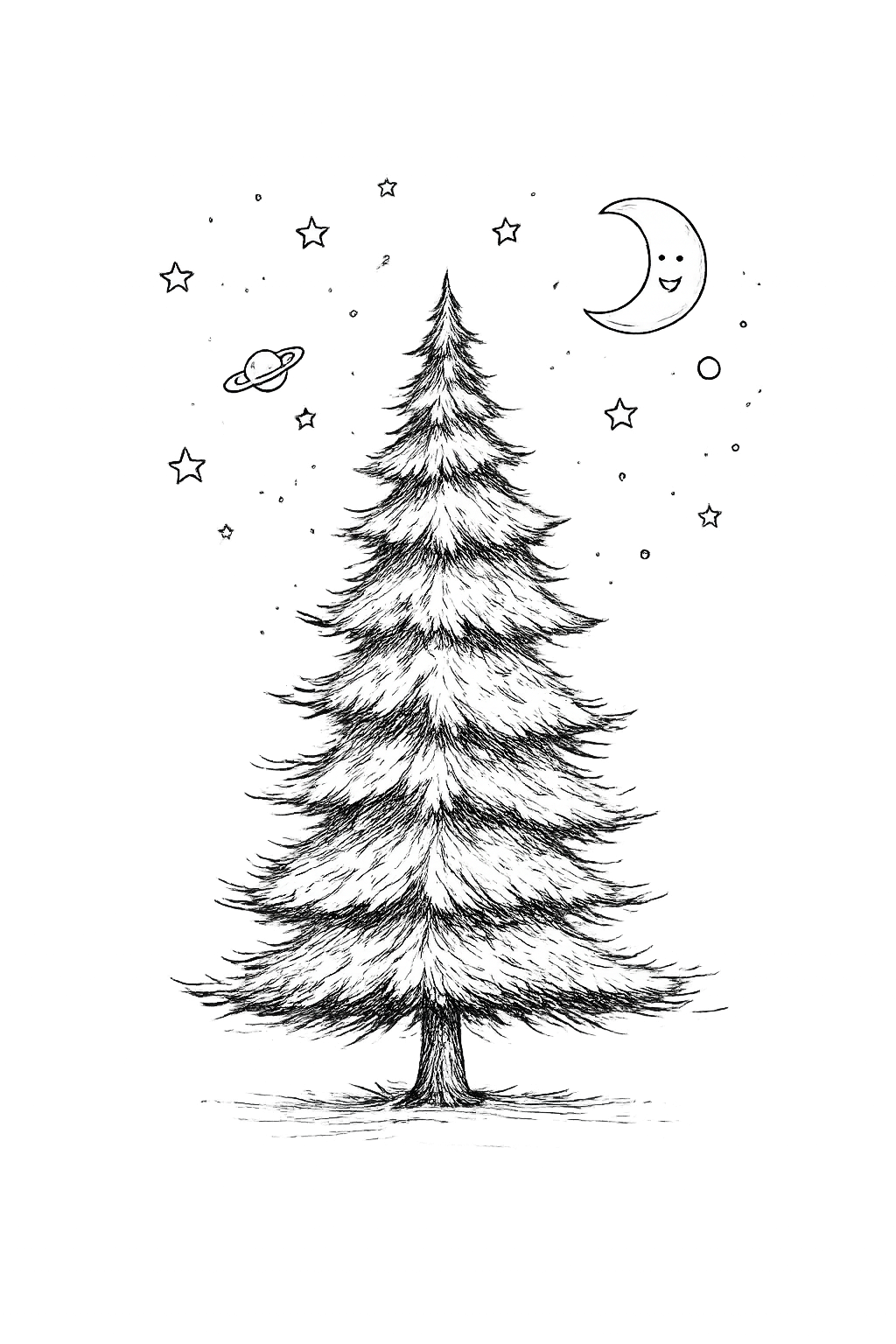
Before finally heading to bed, I turned off all the lights in my bedroom, pulled the white lace curtain back, and took a long, steady look at the pine tree that has stood outside that window for as long as I can remember—for forever and a day. It rises from what used to be the neighbor's property, back when there was still a house there, before the fire, before it burned to the ground one night while I was still in high school.
My mother bought the lot almost immediately, as if she understood that empty spaces have a way of attracting the wrong kind of ghosts if you do not preemptively claim them first. The pine stayed. It kept growing, quiet and unmoved, outlasting the house that once stood beside it—and watching all of us pass through the years anyway.
Grief does that—it reaches back and flips switches you forgot still worked. For a moment the house felt suspended between decades, as if nothing had ended and everything had, all at once.
Everything dies. I have learned that much simply by paying attention. People, houses, cities, entire empires, versions of ourselves—we lose them all, eventually. And yet some things refuse to stay gone. They return altered, quieter, stripped of illusion, but unmistakably present. What comes back is never what you expected, and it is never the thing you mourned most, but it carries the same weight in a different shape. I am old enough now to understand that survival is not about preservation—it is about recognition. About knowing what still stands, what still speaks, and what is finally safe to name.
|
Copyright © 1998-2026 Emily Pratt Slatin. All Rights Reserved. About | Archives | Biography | EMD Codes | Notebook | Press Kit | Pronouns.page | RSS Feed | Sitemap | YouTube Made with grit in Middletown Springs, Vermont. |